What Master-Planned Living In Irvine Really Feels Like
June 4, 2026
June 4, 2026
If you have ever wondered why Irvine feels so different from other Orange County cities, the answer is simple: it was designed that way. For many buyers, that creates a sense of order, convenience, and predictability that can be hard to find elsewhere. If you are considering a move to Irvine, understanding how that planning shapes daily life can help you decide whether the city fits the way you want to live. Let’s dive in.
Master-planned living in Irvine does not just mean newer homes or tidy streets. It means the city is organized into village-style areas such as Woodbridge, Northwood, Westpark, Stonegate, Portola Springs, Orchard Hills, and the Great Park neighborhoods. Each area has its own mix of home styles, amenities, and overall feel.
That structure matters because Irvine does not live like one uniform suburb. Instead, your experience often depends on which village you choose, how close you are to parks and shopping, and whether you prefer older established areas or newer development. In a practical sense, the planning framework is the story.
The city’s planning is also current, not outdated. Irvine’s General Plan was adopted on August 13, 2024, which shows the city’s framework is actively maintained. That helps explain why the city often feels polished and coordinated rather than pieced together over time.
One of the biggest differences in Irvine is how daily routines often stay close to home. Instead of relying on one traditional downtown, many residents move through a local pattern of neighborhood centers, parks, schools, and nearby recreation. That can make weekdays feel efficient and weekends easier to plan.
In many villages, schools are placed at the heart of the neighborhood design. Irvine Unified School District serves more than 38,000 TK-12 students across 24 elementary schools, five K-8 schools, six middle schools, five high schools, one alternative high school, and two virtual academies. That school-centered layout plays a major role in how the city functions day to day.
For you, that often means a normal weekday in Irvine may include a shorter drive for errands, planned routes to parks or activities, and a stronger sense that the neighborhood was built around routine rather than around whatever happened to be there first. It is one reason the city often feels organized in a very visible way.
If you live in Irvine, green space is not just a bonus feature. It is part of the city’s structure. The City of Irvine says it has 18 community parks, 37 neighborhood parks, and 5,250 acres of permanently preserved open space.
That level of access changes how a place feels. The city also reports that 94% of residents live within a half-mile walk of a park. In 2026, Irvine ranked No. 2 in the nation and No. 1 in California in Trust for Public Land’s ParkScore Index, which supports the idea that park access is a real part of daily life here.
The outdoor system goes beyond playgrounds and sports fields. The Irvine Open Space Preserve protects thousands of acres of native habitat and supports hiking, biking, and equestrian use. The Jeffrey Open Space Trail is another standout because it connects communities and natural areas in a way that feels intentional, not accidental.
That combination gives Irvine a very specific rhythm. You get a city that feels structured and suburban, but also active and outdoors-oriented. For many buyers, that balance is a big part of the appeal.
In Irvine, convenience is often built into the neighborhood model. Daily errands, dining, and recreation tend to cluster around destination centers and community-serving retail rather than spread randomly across the city. That can make life feel more streamlined, especially if you value predictability.
Irvine Spectrum Center is one of the city’s best-known shopping, dining, and entertainment hubs. The Market Place on the Irvine-Tustin border adds another major retail and lifestyle destination with more than 135 stores and restaurants. On a smaller scale, places like Woodbury Town Center reflect the same pattern of planned, community-focused retail.
Recreation follows a similar model. The Great Park’s 194-acre Sports Complex includes public amenities for soccer, tennis, volleyball, basketball, softball, and more. In practical terms, master-planned living in Irvine often means your errands, activities, and weekend plans are closer and more organized than they might be in a less structured city.
Irvine does offer more transportation flexibility than some buyers expect. The city is served by bus, rail, biking, and walking infrastructure, including 113.24 miles of off-street bikeways and 286.42 lane miles of on-street bikeways. That gives residents more than one way to move through the city.
Irvine CONNECT adds another layer of convenience. As of July 1, 2025, this free shuttle links the northern end of Irvine with Irvine Station and stops at parks, schools, hospitals, and shopping centers. It runs weekdays from 6 a.m. to 8 p.m. and weekends from 8 a.m. to 10 p.m., with service about every 20 minutes.
Irvine Station is also a key part of the city’s mobility network. It is served by Amtrak, Metrolink, and OCTA, and the city says it handles nearly a million commuters annually. OCTA routes serving Irvine include 53, 167, 178, and rail-feeder routes 472, 473, and 480.
At the same time, Irvine still feels car-centered in daily life. That is partly because villages, parks, shopping centers, and recreation hubs are spread across a 66.11-square-mile city. The average one-way commute is 24.7 minutes, which fits a suburban, driving-first lifestyle even with transit options in place.
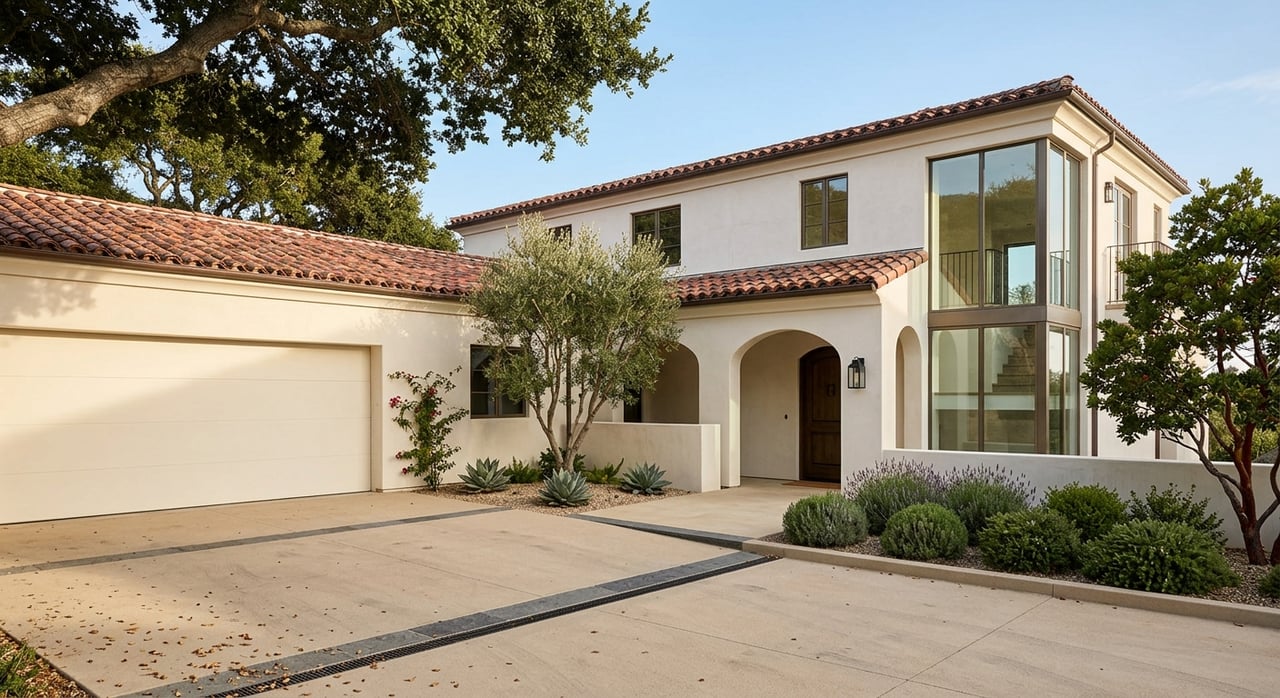
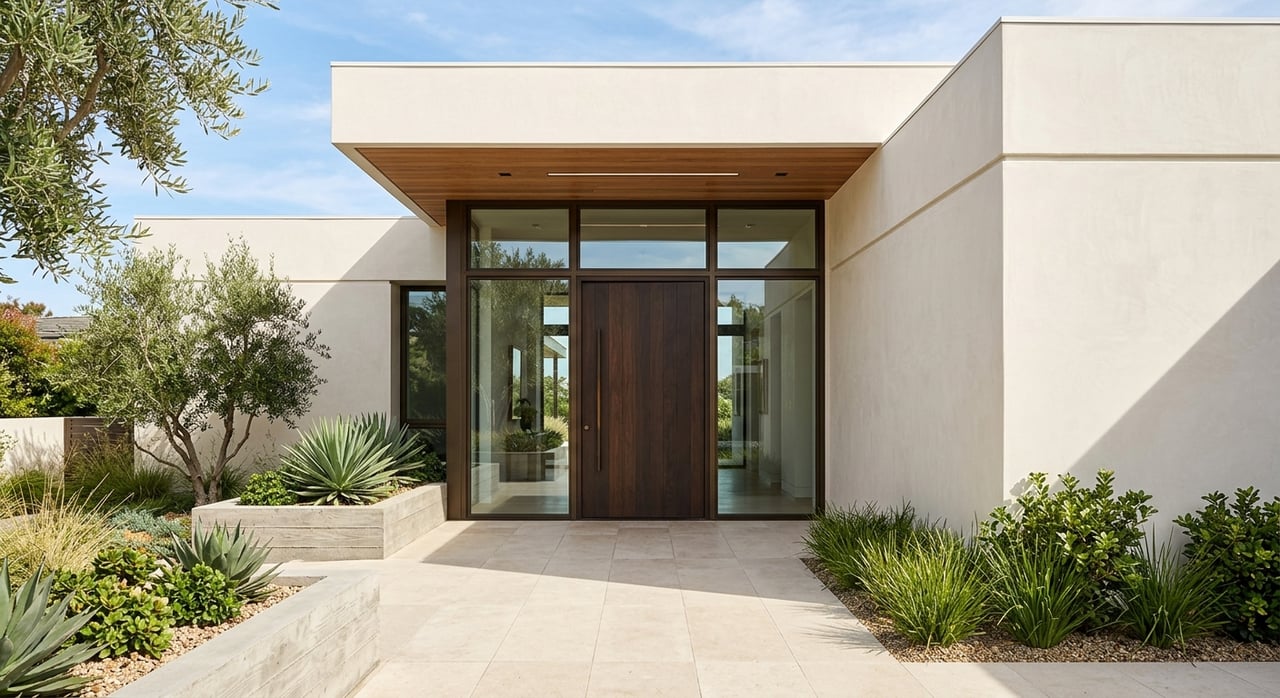
Another reason Irvine feels different is its housing mix. In many parts of the city, the homes feel selected and organized rather than built in a patchwork over many decades. Buyers often choose between attached, lower-maintenance homes and larger detached homes, depending on the lifestyle they want.
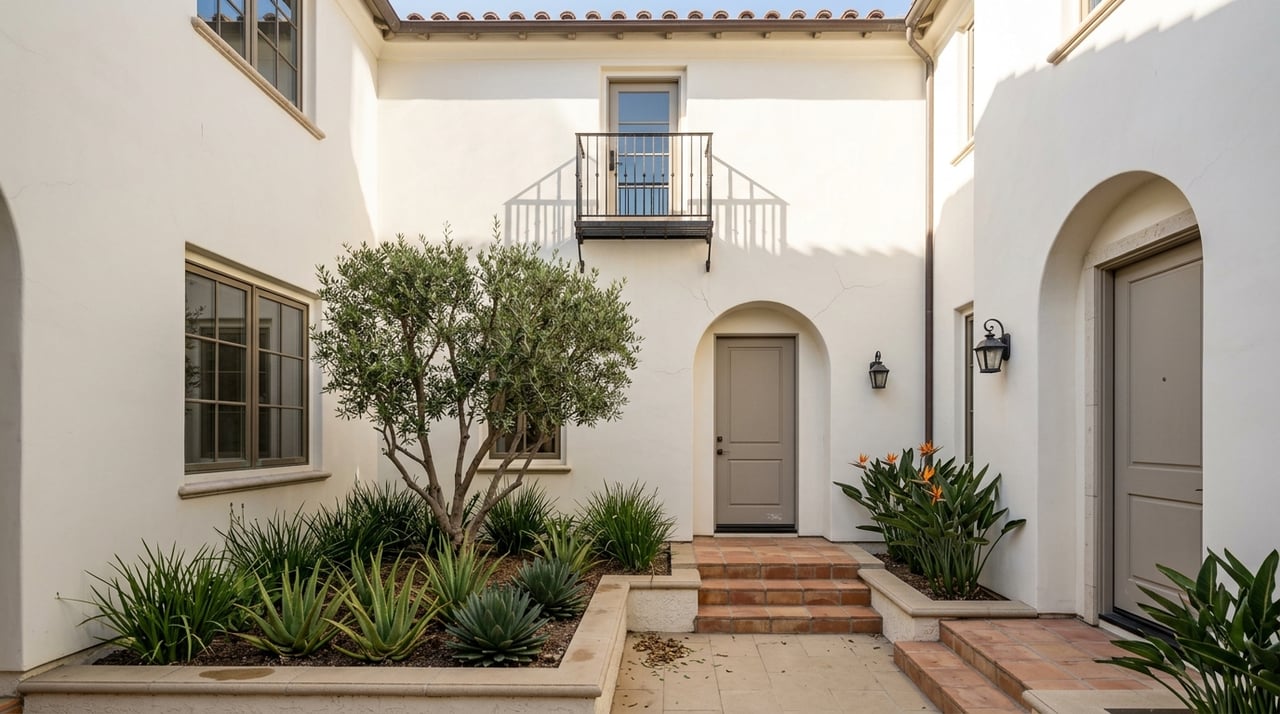
Village descriptions help show that range. Eastwood Village and Portola Springs include townhomes, flats, and single-family homes. Cypress Village offers townhomes, flats, and single-family homes as well, while Orchard Hills is known for single-family designs, resort-style amenities, and a hillside-orchard setting.
That matters because your home choice in Irvine usually says something about your priorities. You may be looking for easier upkeep, newer construction, more outdoor space, or closer access to amenities. In Irvine, those tradeoffs often feel easier to compare because the neighborhoods are so clearly planned.
The Irvine lifestyle comes with a high price point, and it helps to be realistic about that from the start. Census QuickFacts show a median owner-occupied home value of $1,191,500, a median gross rent of $2,997, and a median household income of $136,719. The owner-occupied housing rate is 44.5%.
Those numbers reinforce an important point: buyers are often paying for more than square footage alone. They are also paying for planning, amenity access, neighborhood consistency, and the kind of day-to-day predictability that Irvine is known for. Whether that tradeoff feels worth it depends on what matters most to you.
For some buyers, the value is in lower maintenance and a more structured environment. For others, it is about access to parks, shopping, trails, or newer housing stock. The right fit usually starts with identifying which village aligns best with your routine, budget, and priorities.
Irvine is often described as polished and family-oriented, but it also feels globally connected. Census data show that 39.8% of residents are foreign-born and that 51.6% of residents age 5 and older speak a language other than English at home. That gives the city a broader cultural mix than many people expect.
In everyday life, that can show up in who your neighbors are, the languages you hear around town, and the range of businesses and services that support the community. It is part of what makes Irvine feel both highly structured and broadly connected at the same time.
For buyers relocating from abroad or from other major metro areas, this can make the transition feel more familiar. For local buyers, it adds to the city’s distinct identity within Orange County.
Irvine tends to appeal to buyers who value order, convenience, and a well-planned environment. If you want nearby parks, organized neighborhoods, clear community layouts, and a housing stock that feels intentional, Irvine checks a lot of boxes. It can also work well if you want options across attached and detached home styles.
It may be especially appealing if you like the idea of choosing a village first, then narrowing down your home search within that area. That is often the smartest way to approach Irvine because village differences can shape everything from your daily route to your preferred home style.
From a practical real estate perspective, this is where local guidance matters. In a city where the planning framework is so strong, understanding the differences between neighborhoods can help you avoid paying for features or locations that do not actually match how you live.
If you are thinking about buying in Irvine, The McMahon Group can help you compare villages, evaluate home style tradeoffs, and make a confident move with practical insight every step of the way.
Stay up to date on the latest real estate trends.