Fix-And-Flip Potential In Costa Mesa Neighborhoods
May 28, 2026
May 28, 2026
Wondering where fix-and-flip opportunities still make sense in coastal Orange County? In Costa Mesa, the answer often comes down to buying in the right neighborhood, matching your renovation scope to local buyer expectations, and avoiding expensive over-improvements. If you are looking at Costa Mesa as a lower-basis alternative to nearby luxury coastal markets, this guide will help you understand where the best potential may be and how to think about project fit. Let’s dive in.
Costa Mesa continues to draw attention because it offers coastal Orange County access at a much lower price point than Newport Beach. The current median sale price in Costa Mesa is about $1.415 million, compared with roughly $3.41 million in Newport Beach. That price gap is a big reason buyers and investors keep watching the city.
The market also remains fairly active. Homes in Costa Mesa typically sell in about 32 days and receive about two offers on average. That pace does not remove risk, but it does support the idea that renovated homes can still find a buyer pool when they are priced and positioned correctly.
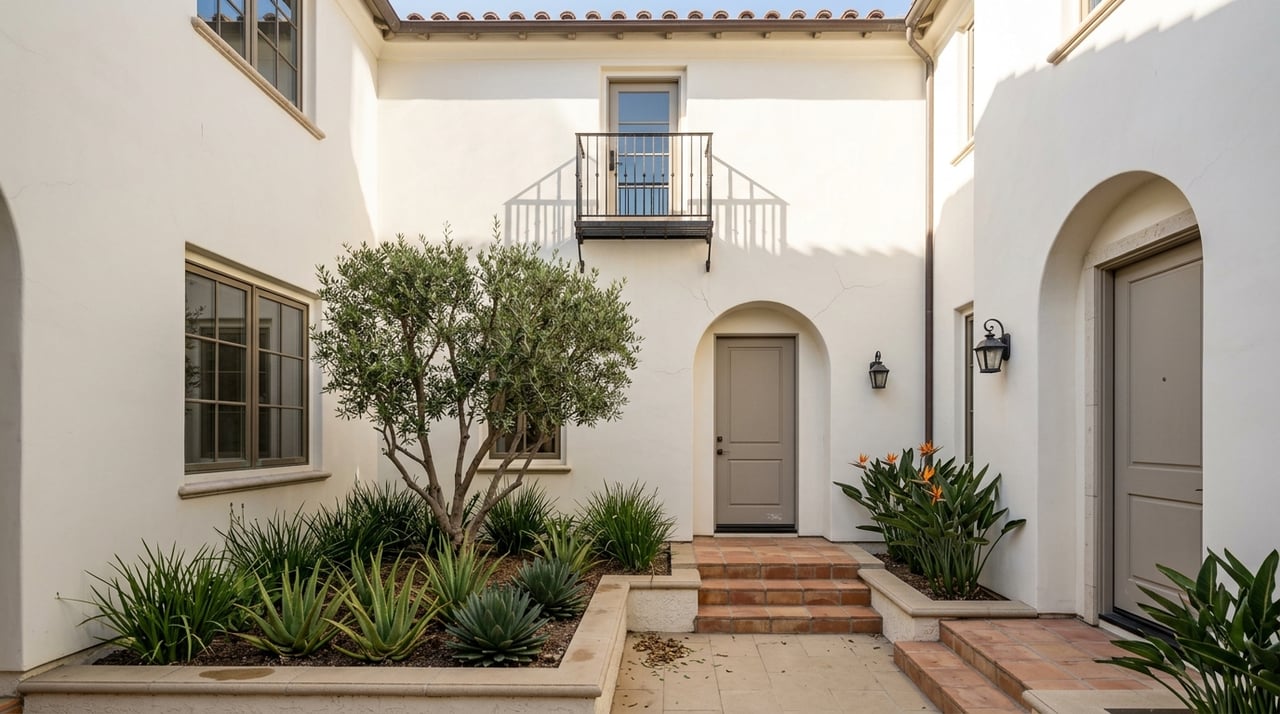
Another major reason Costa Mesa works for value-add projects is its housing stock. According to the city’s housing element, 68.2% of homes were built between 1950 and 1979, and 26.7% were built in the 1960s alone. Older homes often need more upkeep, which creates opportunities when a property has solid fundamentals but outdated finishes or deferred maintenance.
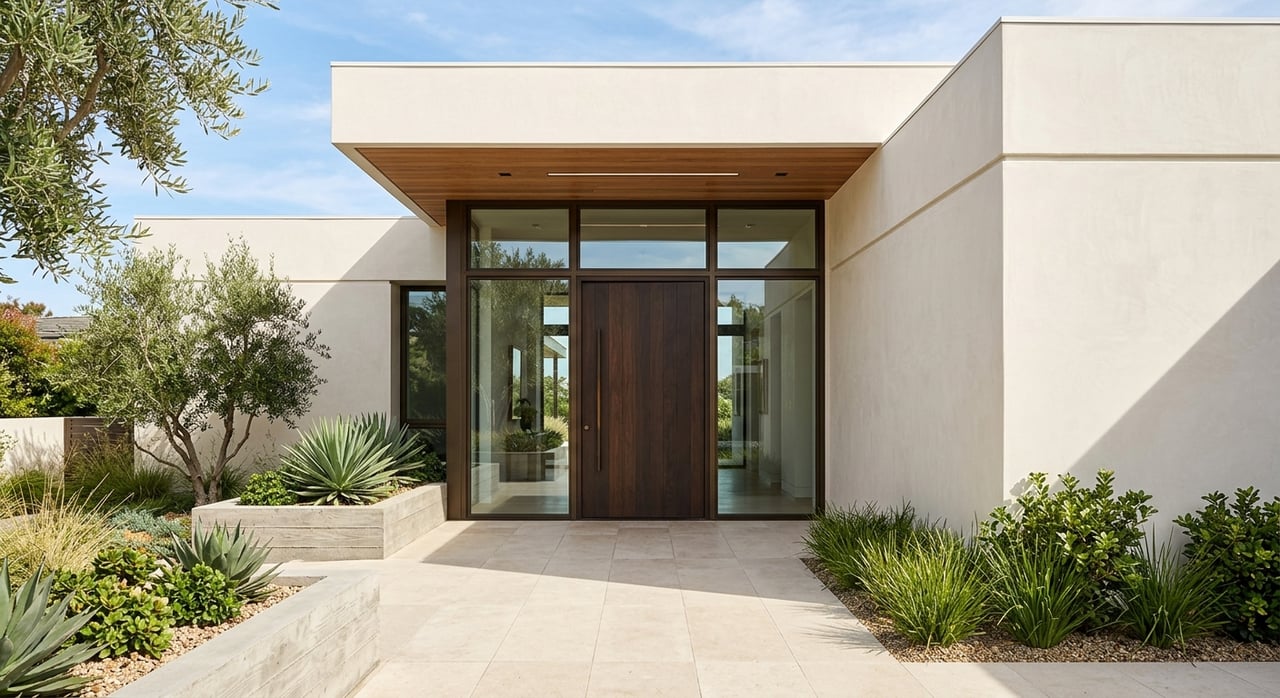
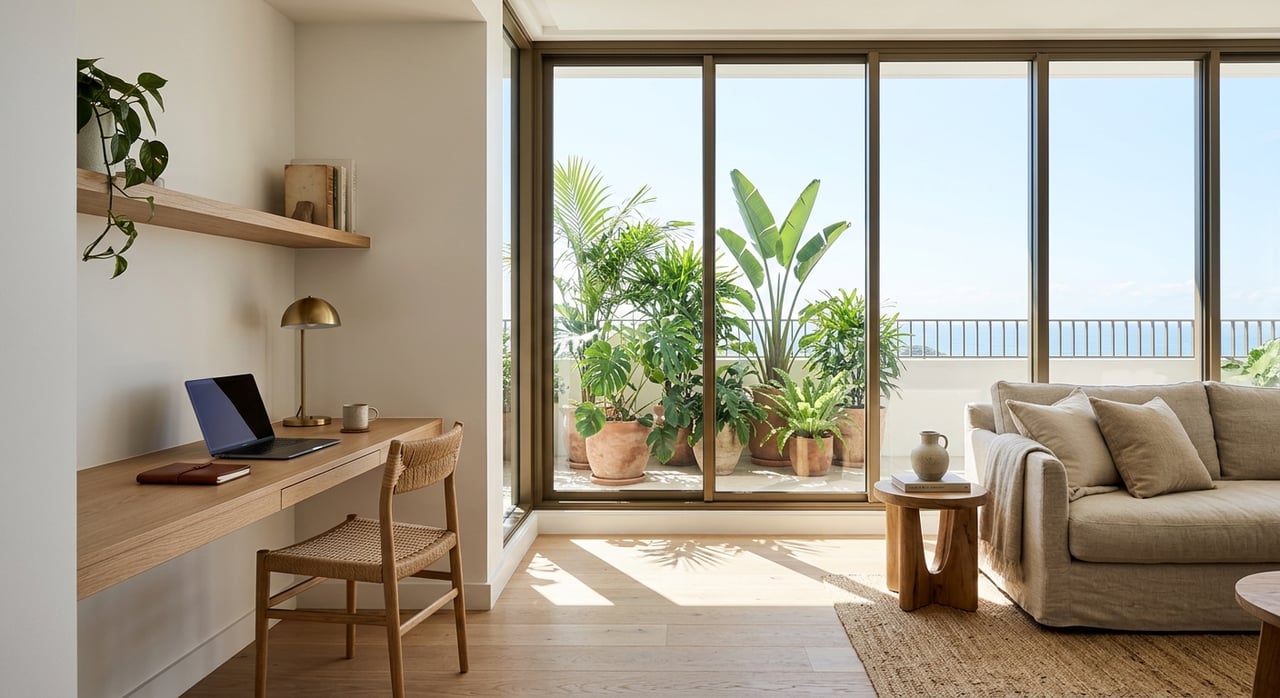
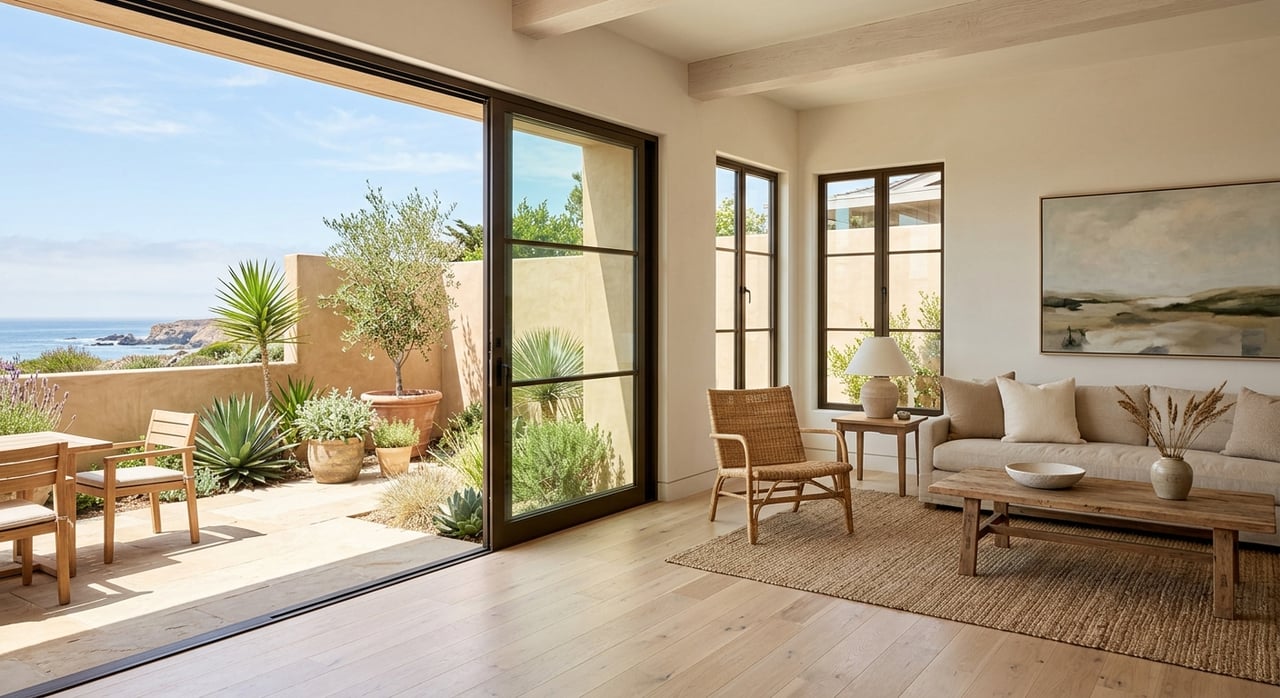
In most Costa Mesa neighborhoods, the safest flip strategy is not trying to reinvent the property. It is usually about improving layout flow, updating kitchens and baths, strengthening curb appeal, and making the home feel clean, current, and move-in ready. That practical approach tends to match what buyers respond to.
Recent remodeling research also supports this mindset. High homeowner satisfaction has been tied to primary bedroom suites, kitchen upgrades, and roofing, while smaller exterior improvements like steel front doors have shown strong cost recovery. In a market like Costa Mesa, that points to a polished, functional renovation rather than a project packed with upgrades that may not raise resale value enough to justify the spend.
For investors, this is where local judgment matters. A finish package that looks right in one Costa Mesa neighborhood may be too aggressive or too light in another. That is why neighborhood selection is just as important as the renovation itself.
The neighborhoods below look the most viable based on pricing, days on market, and housing type mix. This is an inference from current market data rather than a formal public count of flip transactions, but it gives you a solid practical framework.
Westside Costa Mesa stands out as one of the more approachable entry points among core coastal-adjacent areas. The median sale price is about $1.305 million, with homes taking around 42 days to sell. That pricing can make the numbers more workable for cosmetic or midrange renovation projects.
This is often a strong fit for homes that need updated kitchens, bathrooms, finishes, and exterior presentation. Because the entry price is lower than some other Costa Mesa neighborhoods, there is usually less room for an oversized luxury renovation. Clean execution and disciplined budgeting matter here.
College Park District has a median sale price of about $1.385 million and median days on market of around 40 days. It sits in a range where renovated homes can still appeal to buyers without requiring every project to be pushed into a high-end finish level.
That can make College Park a practical target for investors who want an active market with room to add value through smart updates. If you keep the scope aligned with the surrounding price band, this neighborhood can offer a balanced risk-reward profile.
Mesa del Mar has a median sale price near $1.400 million and a median market time of about 46 days. This pocket may work well for dated homes where the layout, lot, or single-story design already gives you a solid starting point.
In many cases, the opportunity here is not major structural change. It is more about refreshing interiors, improving first impression, and modernizing the home without taking on unnecessary complexity. That can be especially important in older housing stock where hidden costs can surface quickly.
Eastside Costa Mesa is a different play. The median sale price is about $2.28 million, with homes taking around 42 days to sell. At this basis, your margin for error gets smaller, and design discipline becomes much more important.
Smaller cosmetic projects can still work here, but overbuilding is a real risk. Buyers in higher-priced pockets often expect stronger presentation and more cohesive design, so a basic refresh may fall short. At the same time, spending too aggressively can make it hard to protect profit.
Mesa Verde has a median sale price of about $2.149 million, and homes move in roughly 28 days. That faster pace signals strong demand, but it does not mean every project will work. In premium neighborhoods, sloppy execution tends to show up quickly.
This can be a strong area for well-planned renovations, especially on ranch or mid-century style homes. Still, the finish package needs to feel appropriate for the neighborhood. In higher-priced pockets like Mesa Verde, buyers may place more weight on design quality, layout polish, and overall presentation.
One of the biggest mistakes in fix-and-flip investing is treating every Costa Mesa neighborhood the same. Westside, College Park, and Mesa del Mar trade at meaningfully lower median prices than Eastside or Mesa Verde. That difference should shape both your budget and your design choices.
In lower-basis neighborhoods, you often want a strong value story. Think updated surfaces, functional kitchens and baths, fresh landscaping, and curb appeal that helps the listing stand out. In higher-priced neighborhoods, buyers may expect more thoughtful design, better materials, and a finish level that feels complete rather than just new.
This is where contractor-led underwriting and design planning can make a real difference. If your scope is too light, the resale may underperform. If your scope is too expensive, you may not recover the added cost.
On the right property, ADU or JADU potential can create another value-add angle in Costa Mesa. The city allows ADUs and JADUs in residential districts, and its ordinance meets minimum state requirements. Costa Mesa also notes specific local standards such as a 150-square-foot minimum size, optional parking, and objective design rules that include setbacks for second-floor or two-story elements.
For a flip, that means garage conversions, detached ADUs, or reconfiguration strategies may add value when the lot, zoning, and budget support the plan. But this is not a one-size-fits-all move. Once you expand into ADU work, you are usually taking on more planning, more cost, and more timeline risk than a straightforward cosmetic remodel.
Before you close on a project, permit research matters. Costa Mesa’s Planning Division is the right place to start for entitlement and plan-check questions, and the city’s TESSA system allows users to submit, pay for, track, and search historical building data, including plans and permits. For investors, that can be very useful when you are trying to confirm whether prior electrical, structural, or addition work is already on record.
This kind of review can help you avoid expensive surprises. A home may look simple on the surface but carry unresolved permit issues, missing records, or older work that changes your renovation assumptions. The earlier you understand that, the better your underwriting will be.
It is also important to budget more time for projects that go beyond cosmetic updates. If you are planning an addition, ADU, or second-story work, the review process can become much more involved. Even without a published average timeline in the source material, the city’s permitting framework makes it clear that bigger projects usually bring more plan-check complexity and revision risk.
Older housing is part of what makes Costa Mesa appealing, but it is also one of the main risk factors. The city specifically notes that older units generally require more upkeep and regular maintenance. That means hidden condition issues can quickly affect your budget once work begins.
Over-improvement is another major risk. A luxury-level finish package in a neighborhood with a lower median price can compress your margin instead of lifting it. On the other hand, a basic cosmetic refresh in Eastside or Mesa Verde may not meet buyer expectations.
The third major risk is scope creep tied to entitlement or structural changes. Cosmetic flips are one thing. Once you start adding square footage, changing rooflines, or pursuing ADU configurations, timelines and carrying costs can change fast.
If you are assessing flip potential in Costa Mesa, keep your process simple and disciplined. Start with neighborhood fit, then test whether the renovation scope matches the likely resale tier. From there, confirm permit history, assess the age and condition of major systems, and build in room for surprises.
A practical checklist includes:
In Costa Mesa, the best fix-and-flip opportunities are often the ones with the clearest path, not the biggest vision. A well-bought house with a smart, neighborhood-appropriate renovation plan usually beats an ambitious project with too many moving parts.
If you want help identifying the right Costa Mesa neighborhood, pressure-testing a renovation scope, or sourcing opportunities that fit your goals, The McMahon Group brings contractor-led insight, design perspective, and local market knowledge to every step of the process.
Stay up to date on the latest real estate trends.