Ward Village Guide for Japanese Buyers and Investors
April 23, 2026
April 23, 2026
If you are based in Japan and looking at Ward Village, you are probably weighing two goals at once: owning in one of Honolulu’s most recognized urban coastal communities and making a smart long-term investment decision. That can feel exciting, but also complex, especially when financing, condo rules, rental limits, and resale taxes work differently from what you may expect. This guide will help you understand how Ward Village fits into the Honolulu market, what to review before you buy, and where careful planning matters most. Let’s dive in.
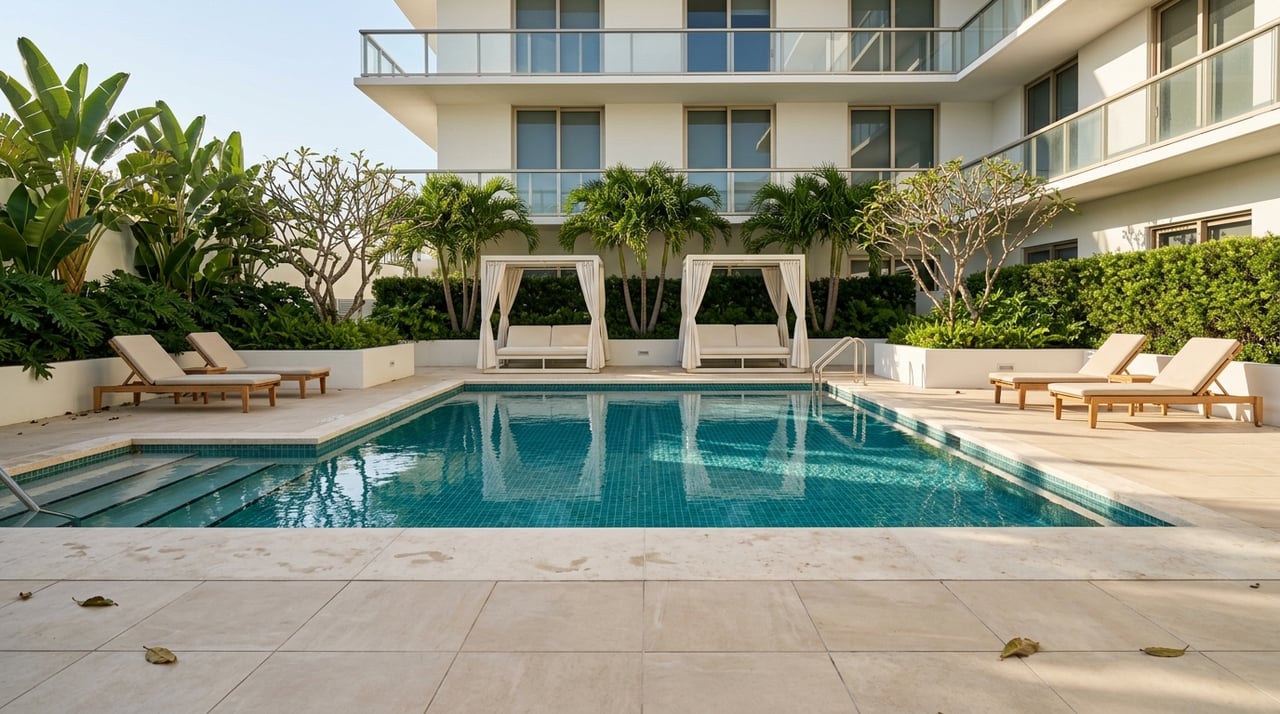
Ward Village is not just another Honolulu condo address. It is a 60-acre master-planned community in Kakaʻako, between downtown Honolulu and Waikīkī, and the project sits next to Ala Moana Beach Park. According to the official Ward Village overview, it is also the first approved LEED-ND Platinum project in the United States and the only one in Hawaiʻi.
For buyers and investors, that matters because master-planned communities often trade on more than square footage alone. You are also buying into location, design standards, walkability, amenities, and long-term neighborhood identity.
Ward Village should be viewed as its own micro-market, not as a simple stand-in for Honolulu condos overall. Redfin’s Ward Village market data shows a median sale price of $1,046,500, median days on market of 126, and a 96.4% sale-to-list ratio as of March 2026.
That looks quite different from the broader Oʻahu condo market. The Honolulu Board of REALTORS® March 2026 report shows a condo resale median price of $510,000, median 43 days on market, and 97.3% of original list price received.
The practical takeaway is straightforward: Ward Village operates at a higher price point and a slower pace than the broader Honolulu condo market. If you are buying there, you should underwrite the opportunity as a premium urban waterfront segment, not as a broad-market condo purchase.
If you live in Japan, your buying process may involve more moving parts than a local buyer’s process. That does not mean buying is impossible. It means you should expect a transaction that rewards preparation.
Your key planning areas usually include:
This is where a detail-oriented team can add value. For cross-border buyers, organization is not a nice extra. It is part of risk management.
Financing is one of the first issues to clarify because not every mortgage program works for every international buyer. The Consumer Financial Protection Bureau explains that lenders cannot discriminate based on national origin, but they may consider immigration, residency, and other factors tied to repayment risk.
That distinction is important. A non-U.S. citizen who is lawfully living in the United States may have access to very different options than a buyer who lives full time in Japan and is not legally present in the U.S.
Fannie Mae states that it purchases mortgages made to eligible non-U.S. citizens who are lawful permanent or non-permanent residents under the same terms available to U.S. citizens, with documentation requirements set by the lender. For a buyer permanently based in Japan, that often points toward lender-specific foreign national or portfolio programs rather than standard conforming financing.
Program requirements vary widely. Chase’s international mortgage guidance notes that a foreign national must be in the United States with a valid address before application, that foreign asset statements may be required, and that pre-approval can take up to 10 business days after documents and translations are received. It also notes that closings can take 60 days or more.
That timeline matters if you are comparing a financed offer against a cash buyer or a local borrower with simpler documentation. If financing is part of your strategy, it helps to begin lender conversations early and prepare complete document packages up front.
There are also product-specific options outside the standard mortgage box. For example, a CrossCountry Mortgage alternative products flyer advertises investor cash-flow, bank-deposit, and asset-qualifier programs, including some options for foreign nationals, with up to 80% loan-to-value and loan amounts up to $3 million.
The key is to treat these as examples, not guaranteed solutions. Terms, underwriting, and availability depend on the lender and the program at the time you apply.
In Ward Village, the condo documents are central to your decision. Hawaiʻi condominium ownership is governed under a detailed legal and administrative framework, and the Hawaiʻi DCCA condominium FAQ materials point buyers to HRS Chapter 514B for registration, managing agents, association administration, management contracts, records access, and association funds.
If you are buying from abroad, this should shape how you review the opportunity. You are not only evaluating the unit. You are also evaluating the building’s governance, operating structure, and long-term maintenance planning.
Before you move forward, pay close attention to:
DCCA also notes that reserve studies must be reviewed at least once every three years if they are not prepared by an independent reserve-study preparer. It highlights common reserve items such as roofs, elevators, plumbing, windows, and electrical systems.
For an investor, this is a core underwriting issue. Carrying costs, future special-assessment risk, building upkeep, and resale appeal can all be affected by how well reserves and maintenance are handled.
One of the most common mistakes investors make is assuming they can offset costs with short-term rental income. In Honolulu, you need to verify that assumption very carefully.
According to the City and County of Honolulu land use ordinance, it is unlawful to advertise or rent a dwelling unit for fewer than 30 consecutive days unless the property is a legally established hotel, time-share, or otherwise permitted or registered for short-term use.
For Ward Village buyers, the message is simple: do not rely on short-term rental income unless you have verified the specific tower’s declaration, house rules, and rental policy. Rental strategy should be confirmed at the building level and in light of Honolulu’s rules.
A smart Ward Village purchase plan should also include exit planning. If you are a nonresident owner, resale taxes can affect your net proceeds and should not come as a surprise later.
The Hawaiʻi Department of Taxation HARPTA guidance states that the buyer generally withholds 7.25% of the amount realized on the disposition of Hawaiʻi real property by a nonresident person, with payment generally due by the 20th day after transfer. The IRS separately applies FIRPTA rules that generally require 15% withholding on the disposition of a U.S. real property interest by a foreign person.
This does not automatically tell you your final tax liability, but it does affect cash flow at closing. If you are underwriting a future sale, make sure you understand how withholding may impact your proceeds timeline.
Ownership structure also matters for property taxes. A State of Hawaiʻi real property ownership analysis estimated that 1.1% of residential and related properties were owned or managed by foreign residents or entities statewide. The same report says effective average residential property tax rates for in-state owners are approximately half of the effective average rate for out-of-state owners, largely because out-of-state residents generally do not qualify for homeowner and similar exemptions.
If your Ward Village unit is an investment or second-home property, that distinction can affect annual carrying costs. It is another reason to build your budget around realistic ownership assumptions, not just the purchase price.
For many Japan-based investors, Orange County is a useful comparison because it offers another coastal U.S. market with strong lifestyle appeal. It is not a substitute for tower-level Ward Village analysis, but it can help frame relative pricing and pace.
Redfin county data for March 2026 shows Honolulu County with a median sale price of $720,000, median 95 days on market, and a 98.0% sale-to-list ratio. Redfin’s February 2026 snapshot for Orange County showed a median sale price of $1.2 million, median 46 days on market, and a 99.2% sale-to-list ratio.
Directionally, Orange County’s countywide median sale price was about 67% higher than Honolulu County’s latest snapshot, while Orange County also moved faster. At the same time, Ward Village’s neighborhood median sale price of $1,046,500 places it much closer to higher-end coastal pricing than to Honolulu’s overall condo median.
That is why Ward Village often appeals to buyers seeking a premium urban Hawaiʻi lifestyle with a different price profile than some Southern California coastal options. Still, countywide comparisons are only directional. A real buying decision should come down to the specific building, unit, monthly costs, and your intended use.
If you are considering Ward Village from Japan, use this checklist to stay focused:
Clarify your goal
Decide whether you are prioritizing personal use, long-term holding, or a blended lifestyle and investment strategy.
Confirm financing path early
Identify whether you qualify for standard financing or need a lender-specific foreign national program.
Prepare translated documents
Organize bank statements, asset records, and any lender-required supporting documents before making offers.
Review condo governance
Study dues, reserves, building rules, management, and rental restrictions.
Verify rental assumptions
Do not assume short-term rental income is allowed.
Model taxes and carrying costs
Include property taxes, HOA dues, possible withholding at resale, and normal holding costs.
Analyze the specific tower
Treat each building and each unit as its own investment case.
Ward Village can be a compelling option, but it rewards buyers who look past the brochure and examine the full ownership picture. If you want bilingual guidance, practical investor insight, and a team that understands both coastal U.S. markets and cross-border buyers, The McMahon Group can help you evaluate opportunities with clarity and confidence.
Stay up to date on the latest real estate trends.