Design-Forward Coastal Living In Costa Mesa Homes
June 18, 2026
June 18, 2026
Dreaming of a home that feels polished, relaxed, and unmistakably coastal without slipping into cliché? In Costa Mesa, that balance is exactly what makes certain homes stand out. Whether you are buying, selling, or planning updates, understanding how local architecture, design trends, and city guidelines work together can help you make smarter decisions. Let’s dive in.
Costa Mesa sits about one mile from the Pacific Coast and benefits from a mild Southern California climate. That setting shapes how homes look, live, and age over time. You can feel it in the strong indoor-outdoor connection, the casual elegance, and the focus on livability.
The city identifies seven residential neighborhoods: Eastside, Westside, Mesa Verde, College Park, North Costa Mesa/Mesa Del Mar/Halecrest Hall of Fame, Bristol/Paularino, and South Coast/Wimbledon Village. These established areas help give Costa Mesa its stable residential character, while newer housing is generally directed toward commercial, industrial, and mixed-use corridor sites through local planning efforts. That mix helps explain why the city often feels both rooted and current.
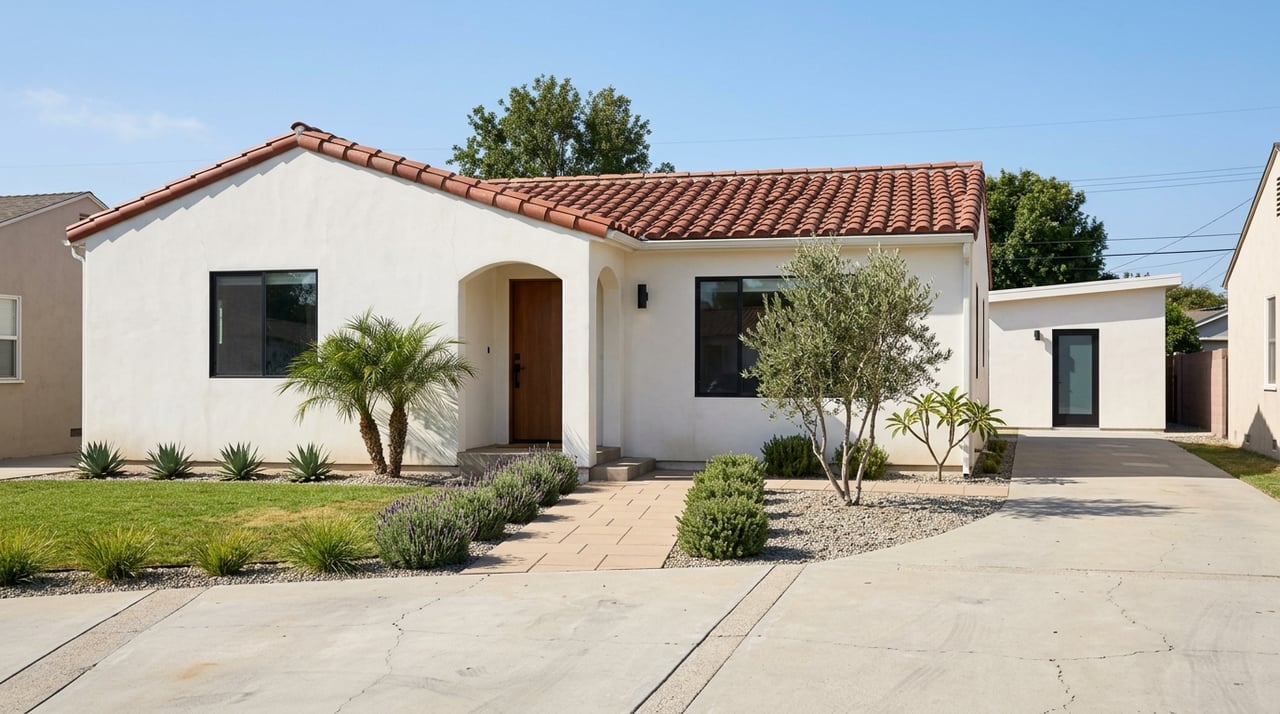
A large part of Costa Mesa’s identity comes from postwar housing. Official city descriptions of areas like Eastside, Westside, and Mesa Verde point to mixed densities and varied architectural types. In practical terms, that means ranch homes, mid-century influences, bungalows, and thoughtfully updated infill homes can all feel at home here.
The most successful homes usually respect what is already on the street. Costa Mesa’s Residential Design Guidelines encourage architectural diversity, but they also call for compatibility in scale and character with neighboring homes and natural surroundings. That matters if you are evaluating a remodel, a second-story addition, or a new build.
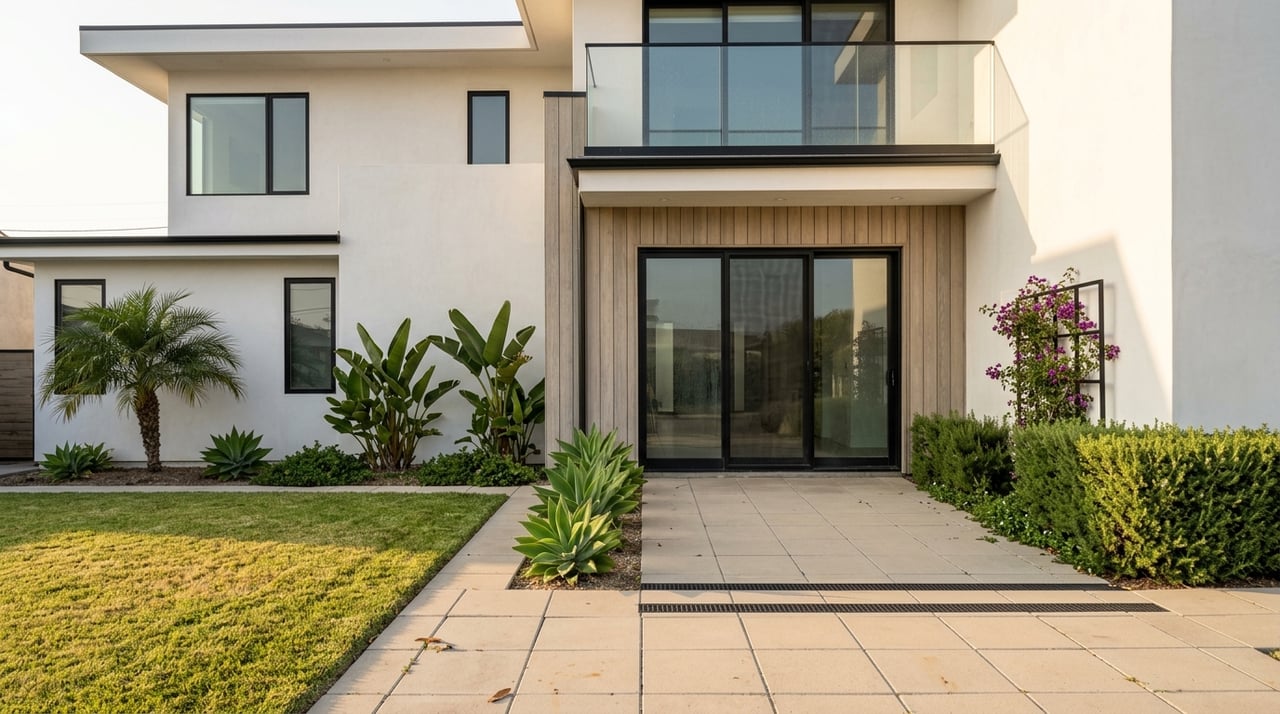
In Costa Mesa, design-forward does not usually mean flashy. It tends to mean cleaner lines, better function, warmer materials, and stronger connection to the outdoors. Buyers often respond to homes that feel edited and intentional rather than overly themed.
That approach fits both local housing stock and current design preferences. Recent design reporting points to warmer, more layered interiors, natural finishes, tactile materials, and personal spaces over stark minimalism. In a Costa Mesa home, those ideas often translate well because they improve daily living without fighting the original character of the property.
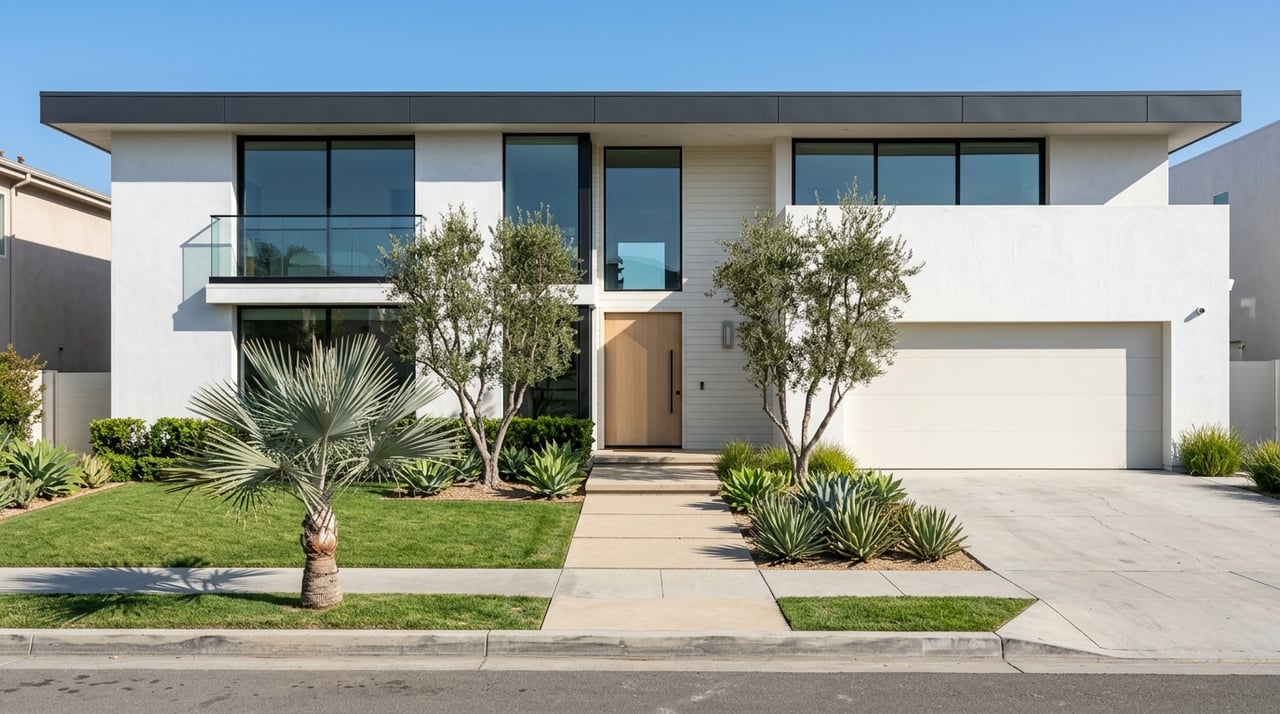
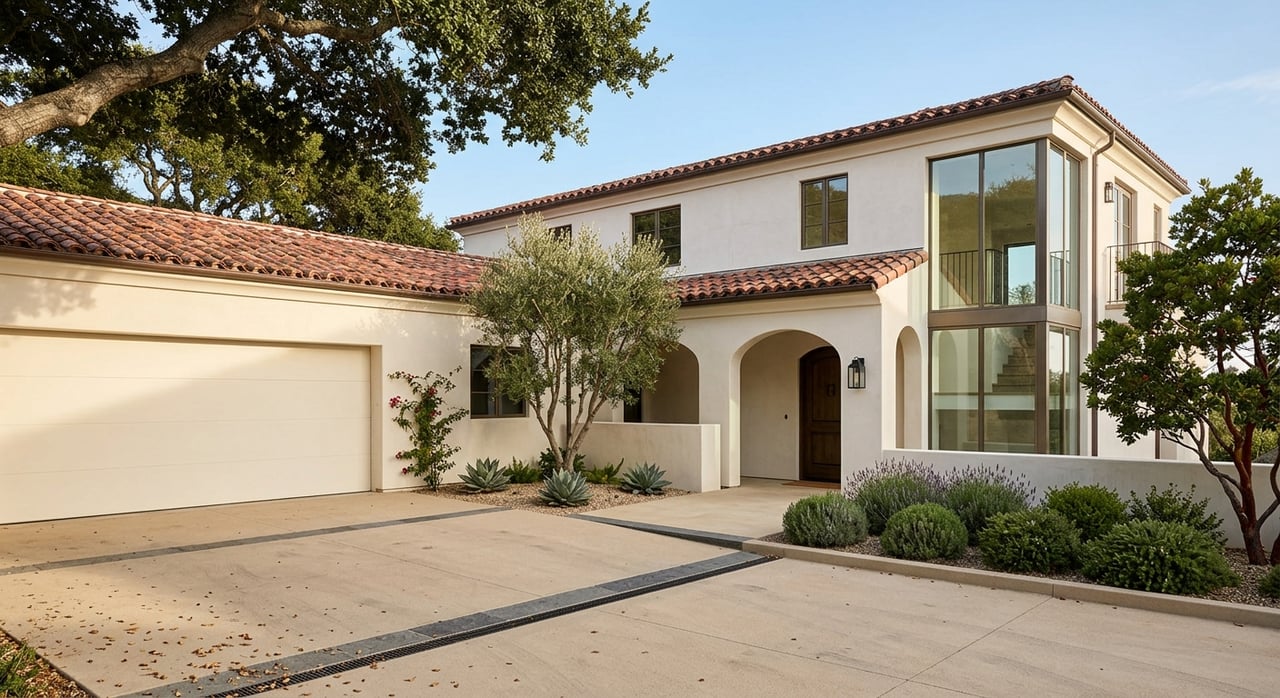
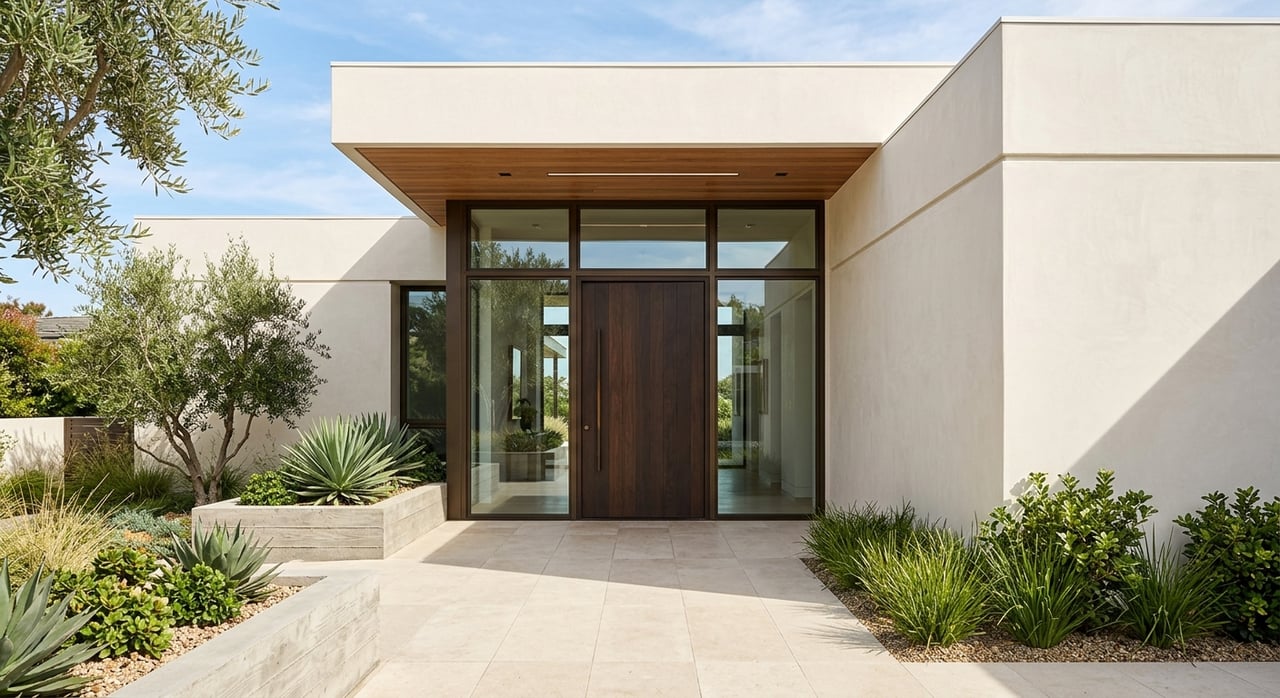
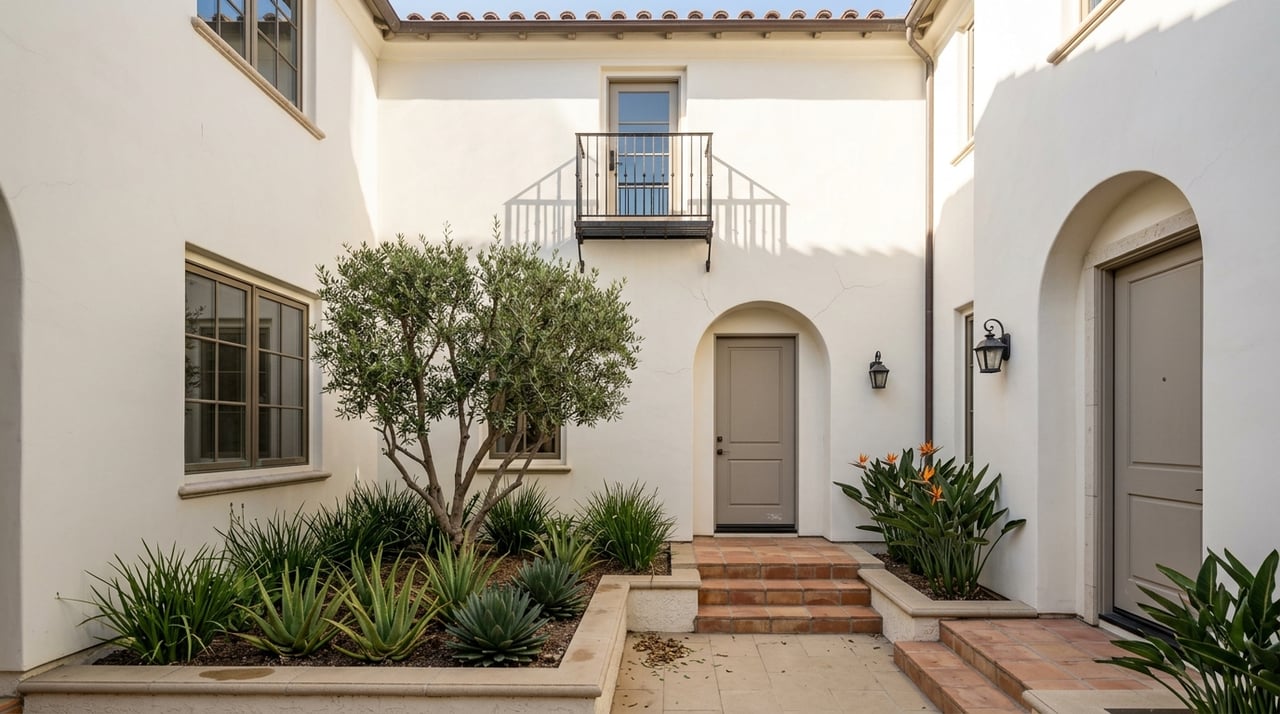
Costa Mesa’s design rules discourage boxy massing and blank facades. Instead, the city favors more articulated elevations, varied rooflines, and offsets that help homes feel more integrated with their surroundings. If you are planning an exterior update, that is an important lens to keep in mind.
For sellers, this also has a market takeaway. A home that feels cohesive from the street often creates a stronger first impression. In a premium market like Costa Mesa, where Zillow placed the typical home value at $1,433,183 as of May 2026 and Redfin reported a median sale price of $1,424,148 with average market time of 31 days, presentation can meaningfully shape buyer response.
The strongest Costa Mesa interiors tend to feel warm, bright, and easy to live in. Open or flexible layouts remain desirable, and single-floor living continues to appeal to many buyers. Indoor-outdoor flow also remains a major design priority according to the AIA’s 2025 Home Design Trends Survey.
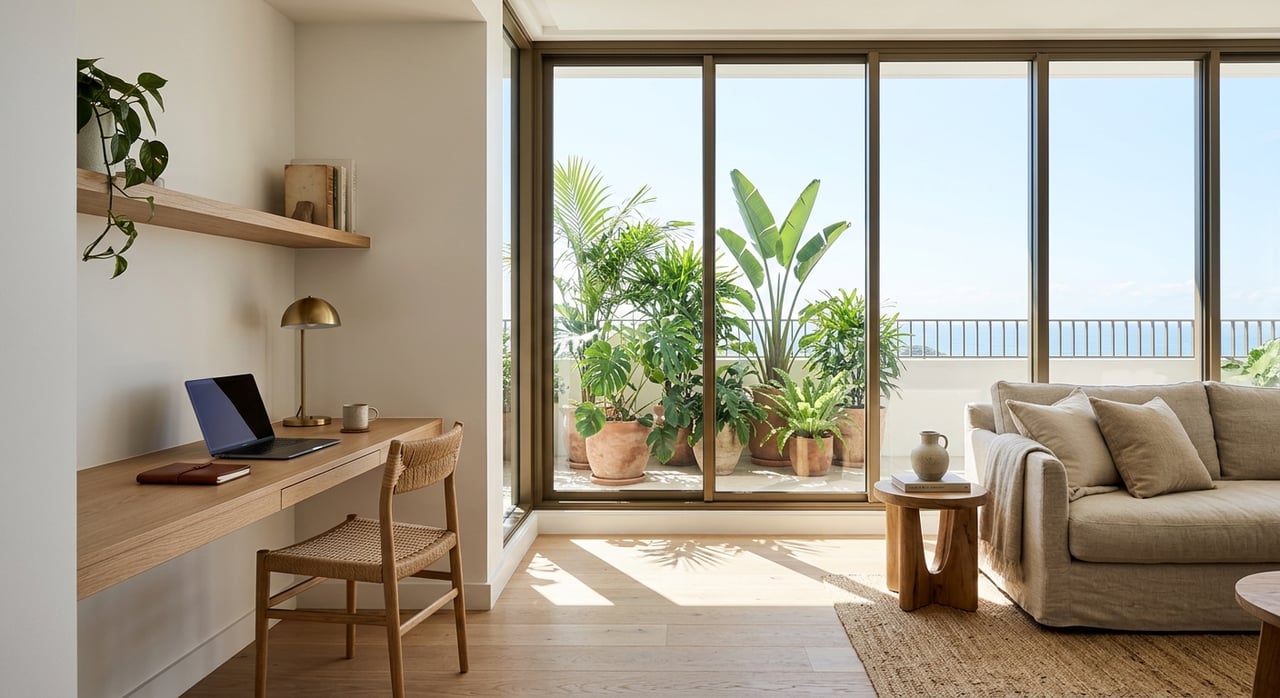
For many homes here, that means the best interior updates are not always the loudest ones. Often, the biggest wins come from better daylight, cleaner kitchens and baths, built-in storage, and materials that add texture without visual clutter. Muted palettes, natural finishes, and soft curves can create a calm coastal look that feels current without becoming trend-heavy.
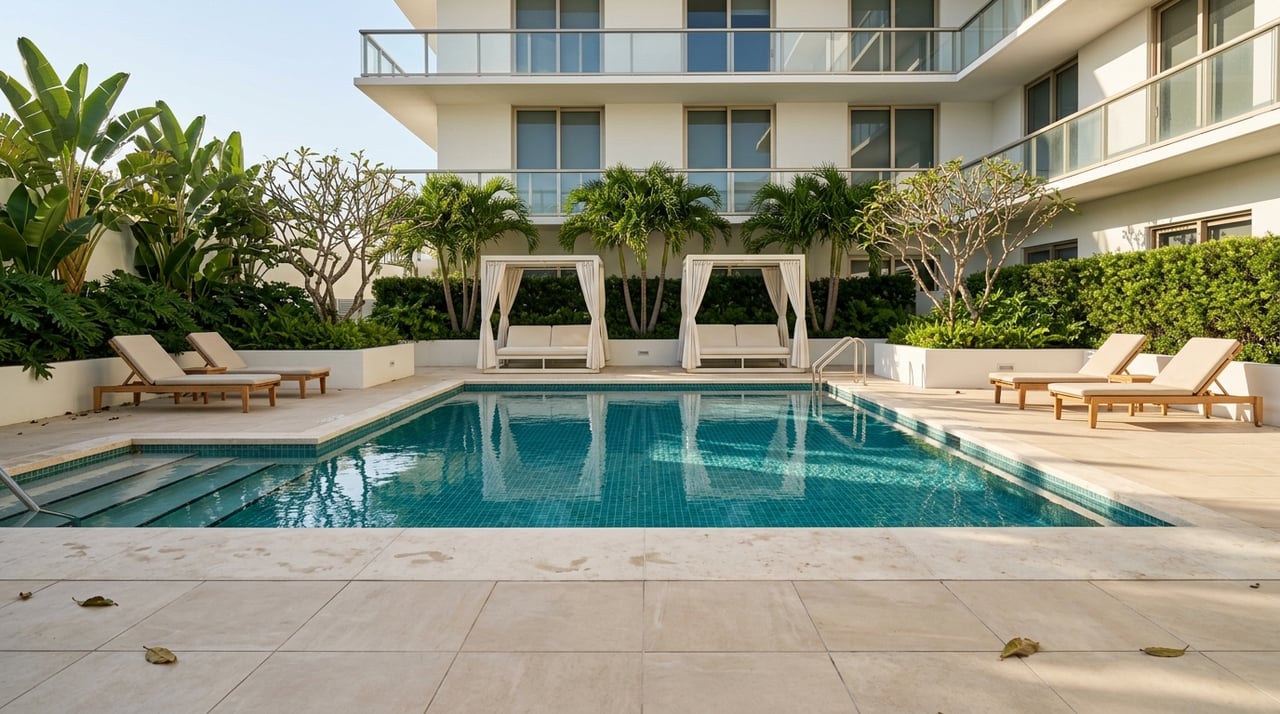
Costa Mesa’s mild climate makes outdoor living more than a bonus feature. It is part of how many buyers expect a home to function. Patios, courtyards, decks, and gardens often feel like true extensions of the interior.
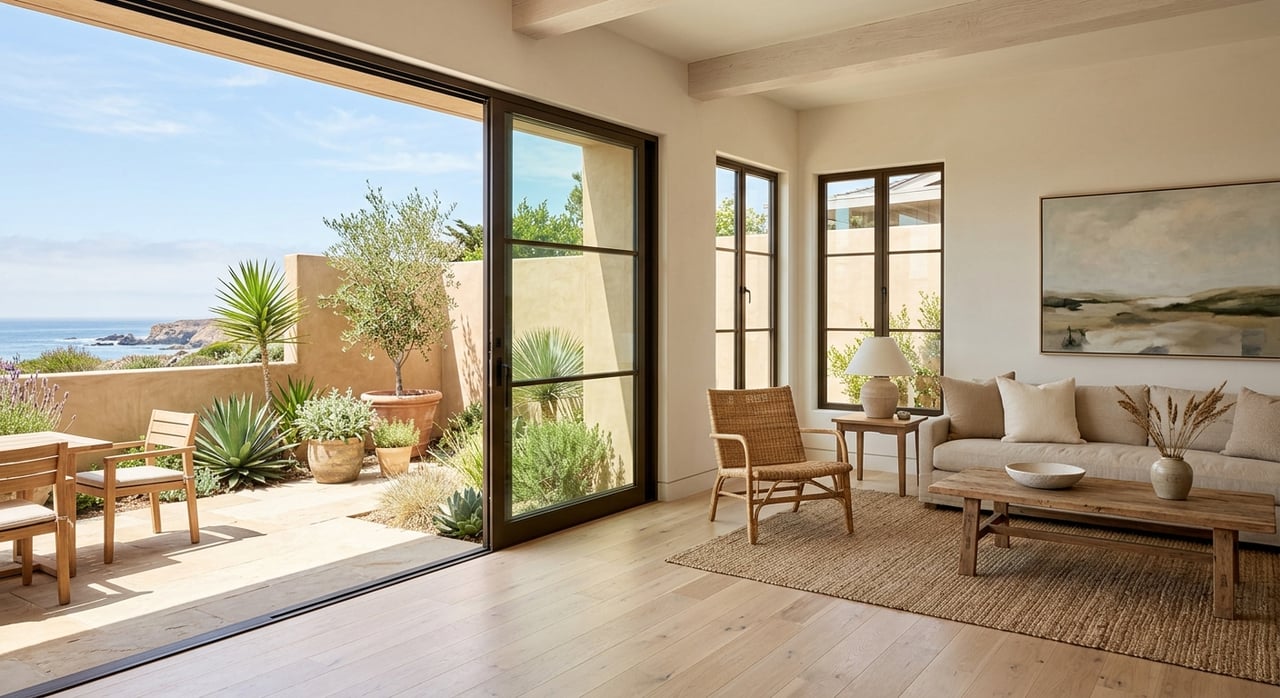
The homes that show best usually make that transition feel easy. Large openings, simple hardscape, comfortable seating areas, and consistent materials between inside and outside can make even a compact home feel larger and more usable. This is especially valuable in a market where efficient layouts and blended living spaces continue to matter.
Design-forward coastal living in Costa Mesa is not just about the house. The landscape matters too. In Orange County, water-wise planting has become a practical and visually appealing choice.
The Municipal Water District of Orange County promotes drought-tolerant plants, trees, and lawn alternatives, and reports that residents have saved more than 17 billion gallons through efficiency and outdoor upgrades. California’s Department of Water Resources says a drought-tolerant native garden can use 85 percent less water per year than a traditional turf-based landscape and may reduce maintenance once established.
If you are planning to remodel, good design is only part of the equation. Costa Mesa requires compatibility with surrounding homes, and many projects need review. Minor Design Review or Design Review may apply, and new two-story construction or additions face added review and notice requirements.
That means a beautiful idea still needs to work within local standards. A smart project starts with scale, massing, setbacks, and neighborhood context, not just finish selections. This is one reason practical renovation guidance can be so valuable before you commit to plans or pricing.
Accessory dwelling units are also part of Costa Mesa’s housing story. The city says its ADU rules meet minimum state requirements while aiming to preserve existing urban fabric. Local provisions include a 150-square-foot minimum size, optional parking, and objective design standards such as second-floor setbacks.
For homeowners and buyers, that means ADUs can be a legitimate way to add flexibility and value, but they need to be approached carefully. The best ADU plans feel integrated with the lot and main residence rather than squeezed in as an afterthought.
Some older or historically significant homes may need a different strategy. Costa Mesa’s Historic Preservation Ordinance is intended to preserve diverse and harmonious architectural styles while encouraging complementary design and construction. Eligible properties may also participate in the Mills Act, which can reduce property taxes if the owner agrees to preserve and maintain the home.
If a property may have historic significance, it is wise to evaluate that before making major changes. Original character can be an important part of both long-term value and compliance.
If you are buying in Costa Mesa, look beyond surface finishes. Pay attention to how the home fits its lot, how it connects to the outdoors, and whether updates feel cohesive. A home with thoughtful design usually reveals itself in the flow, scale, and details, not just in listing photos.
If you are selling, focus on changes that improve usability and presentation without stripping away character. In this market, buyers often respond well to homes that feel curated, bright, and easy to imagine living in. Design-forward does not have to mean a full renovation. Sometimes strategic improvements make the biggest difference.
Costa Mesa rewards a very specific kind of design judgment. You need to understand the local architecture, the city’s design expectations, and what buyers in a premium coastal market actually notice. That is especially true if you are weighing renovation costs, resale timing, or whether a property’s potential is being fully realized.
That is where practical experience matters. With contractor-led insight, in-house design sensibility, and deep local knowledge of coastal Orange County, The McMahon Group helps buyers and sellers make design and real estate decisions with clarity and confidence.
Stay up to date on the latest real estate trends.