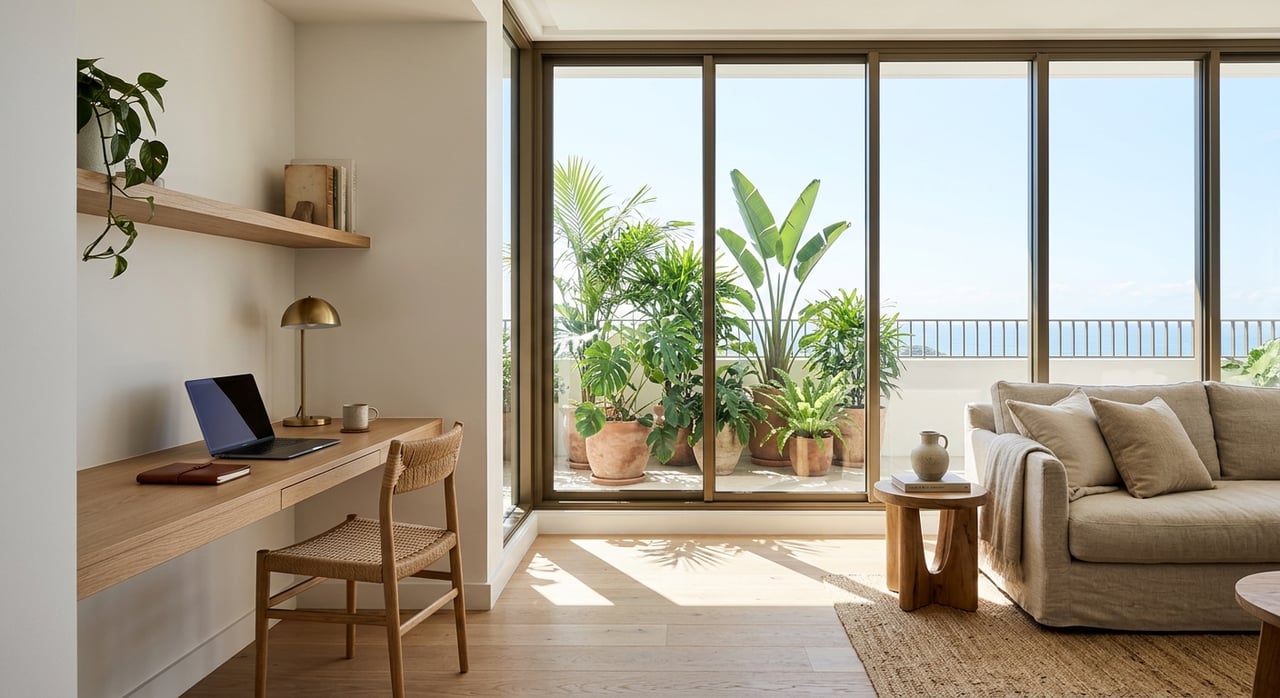
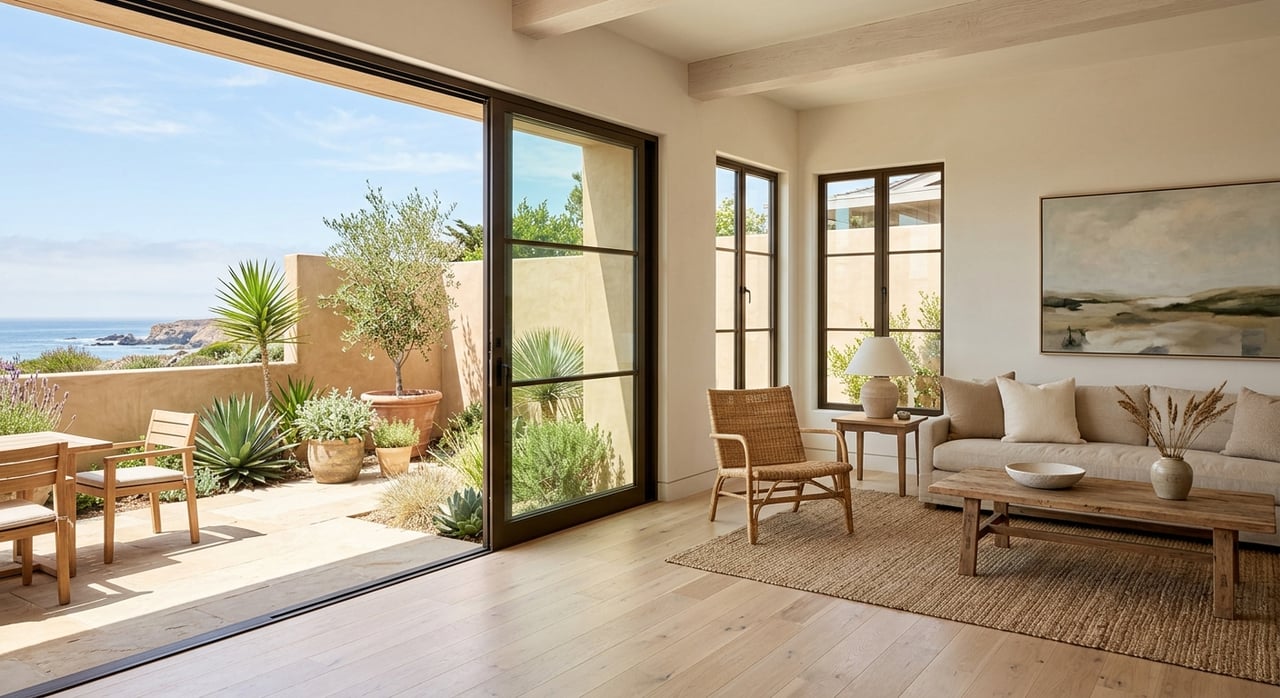
Thinking about a home in Ward Village but not sure how condo ownership works in Hawaii? You are not alone. The buildings are stunning, the location is hard to beat, and the amenities feel like a resort, yet the ownership details can be different from what you may know on the mainland or in Japan. In a few minutes, you will understand fee simple vs leasehold, what AOAO dues typically cover, and the key steps to protect your purchase. Let’s dive in.
Why Ward Village draws buyers
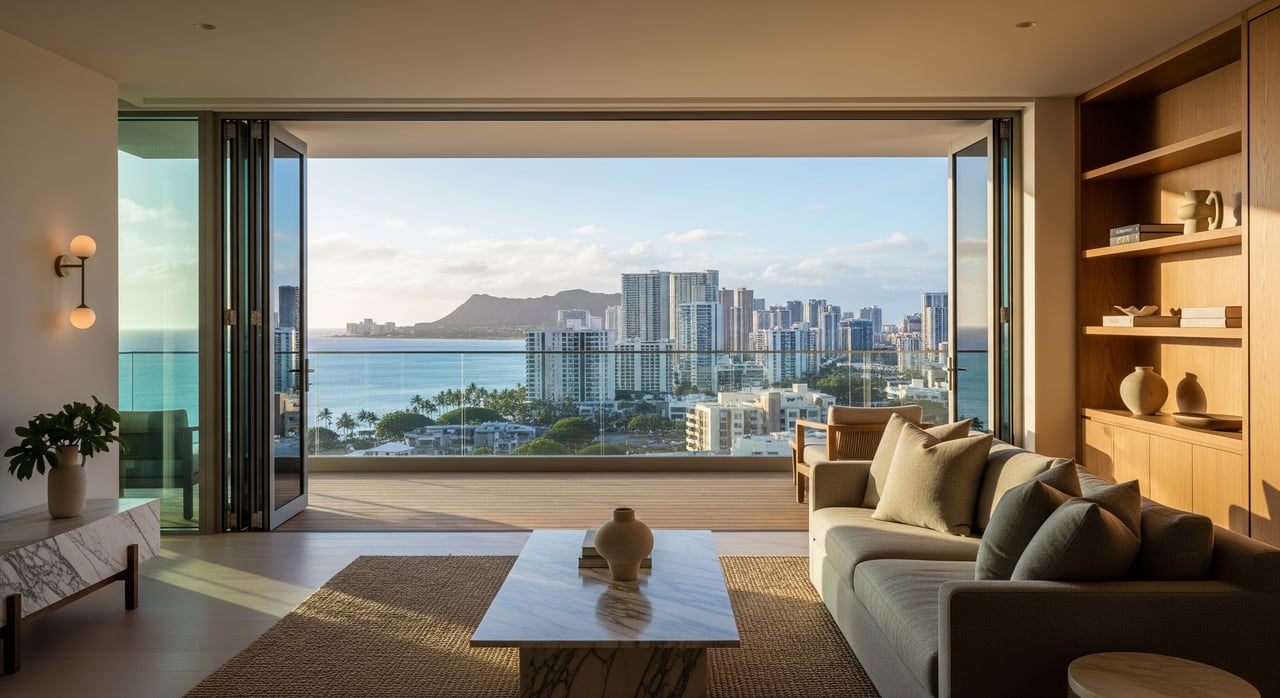
Ward Village sits in Kakaʻako, between Ala Moana and downtown Honolulu. You get an urban, walkable neighborhood with shops, restaurants, parks, and quick access to the beach. Newer towers focus on plazas, concierge services, and resident amenities that make day-to-day life easy.
This area has been guided by state and city planning, with the Hawaii Community Development Authority shaping Kakaʻako’s growth. Transit improvements and ongoing retail development add to the long-term appeal. Still, building-level details matter. Ownership type, AOAO rules, and finances can vary widely by tower, so it is essential to evaluate each building on its own.
Fee simple vs leasehold in Hawaii
Condo ownership in Hawaii typically comes in two forms. Understanding the difference will guide your financing, budgeting, and resale plans.
What fee simple means
With fee simple, you own your unit and an undivided interest in the land. Ownership is perpetual, and resale and financing are usually straightforward. This is the structure many buyers expect because it is common on the mainland.
What leasehold means
With leasehold, you own the unit’s interior improvements, but the land is leased from a landowner for a set term. You follow the ground lease conditions for as long as the lease runs. As the lease term shrinks, resale value and financing options can tighten. Some leaseholds also require ground rent payments that may adjust at intervals.
How lease terms impact value and financing
Lenders use stricter standards for leasehold condos. They may require a minimum remaining lease term, limit loan-to-value ratios, or adjust loan terms. When a lease is close to expiration or has unfavorable rent increases, you may see fewer financing choices and reduced buyer demand at resale. If you are considering leasehold, review the ground lease with your agent and lender early.
Questions to ask for any leasehold
- What is the remaining lease term, and is there a documented option to extend?
- How is ground rent calculated, and when does it adjust?
- Does the lessor need to approve certain changes or financing?
- Will lenders finance this lease structure at acceptable terms?
AOAO basics and monthly dues
In Hawaii, condo associations are called the AOAO, short for Association of Apartment Owners. The AOAO enforces building rules, operates common areas, sets budgets, and hires management. An elected board of directors oversees decisions under the project’s Declaration and Bylaws.
What dues usually cover
Monthly AOAO dues typically fund:
- Common area cleaning and maintenance
- Building systems upkeep, like elevators and common HVAC
- Amenities operations and staffing
- Master insurance for the building structure and common elements
- Water, sewer, and trash service in many buildings
- Onsite management, legal, and administrative expenses
- Contributions to the reserve fund for long-term repairs
Electricity for individual units is often separate. Some buildings include additional services, so ask for a breakdown of inclusions before you buy.
Amenities you might see in Ward Village
You will find an impressive range of features across towers:
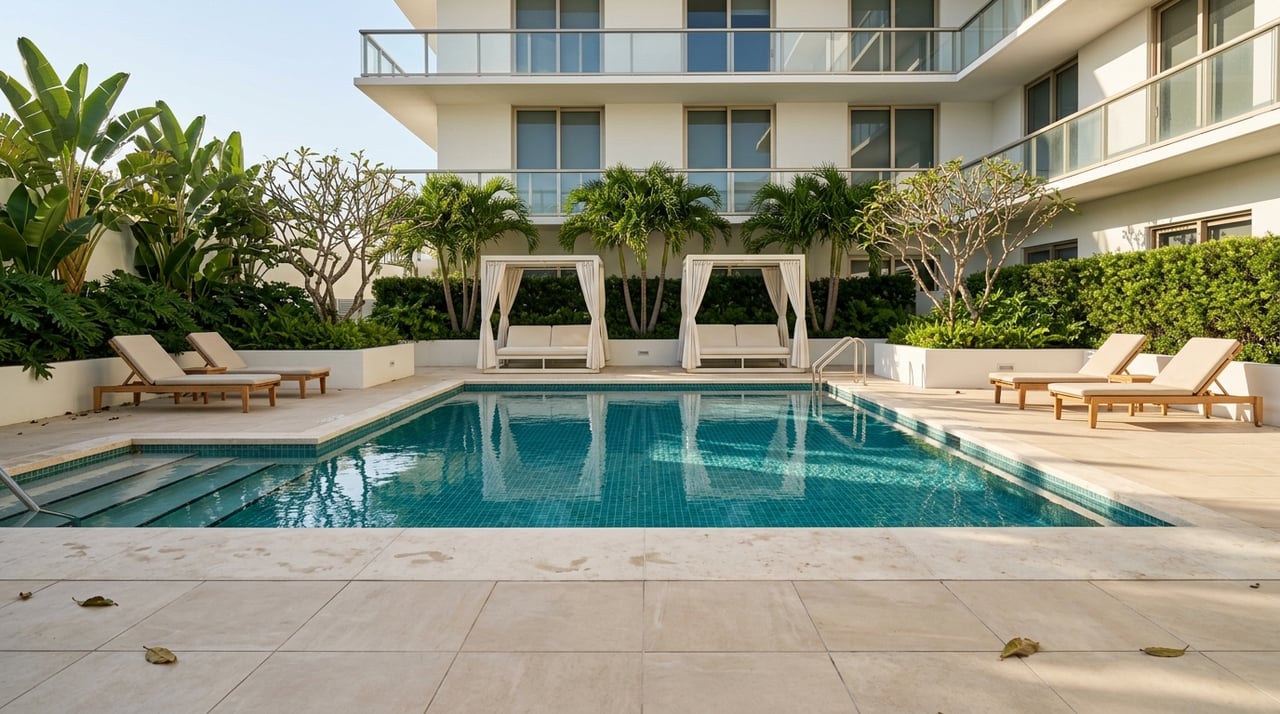
- Resort-style pools and spas
- Fitness centers, yoga rooms, and private studios
- Residents’ lounges, entertainment rooms, and private theaters
- 24-hour security, concierge, valet, and package rooms
- Landscaped plazas, dog areas, and in some buildings, guest suites
- Retail and dining at or near the podium level
Buildings with extensive amenities usually have higher dues. Balance your lifestyle priorities with your monthly budget.
Reserves and special assessments
Healthy AOAO finances include an operating budget and a separate reserve fund for big-ticket items like re-piping, roof work, façade repairs, and elevator modernization. When reserves fall short, owners can face special assessments. Always review recent budgets, reserve balances or studies, meeting minutes, and the history of assessments before committing.
Insurance: what the AOAO covers vs what you cover
The AOAO’s master policy typically covers the building structure and common elements. You, as the owner, are responsible for an HO-6 policy that covers interior improvements, personal property, and liability. Hawaii’s weather and coastal setting make insurance an important line item. Confirm what the master policy excludes and what your HO-6 should include, and expect the AOAO to request proof of coverage.
Parking, storage, and utilities
Parking can be deeded, assigned, or separately sold or leased. Storage lockers, bike rooms, and EV charging access vary by building. Water and trash are often included in dues, while unit electricity is often separate. Verify any separate parking fees, EV availability, and how utilities are allocated before you finalize your budget.
Owner responsibilities after closing
Owning a condo is simpler than maintaining a single-family home, but you still have clear obligations.
- Pay your mortgage, property taxes, AOAO dues, and ground rent if leasehold.
- Maintain your unit interior and follow the Declaration, Bylaws, and House Rules.
- Carry and maintain an HO-6 insurance policy.
- Seek AOAO approval for renovations or alterations when required.
- Participate in AOAO governance if you choose by voting and attending meetings.
- Follow rental policies and Oahu’s local regulations before offering the unit for rent.
Your due diligence checklist
Before you submit an offer, gather documents and confirm the details that can affect your monthly costs and long-term value.
- Ownership type: Confirm fee simple or leasehold in the public records and the condo declaration. For leasehold, study the ground lease, rent escalations, and extension options.
- AOAO documents: Declaration, Bylaws, House Rules, budget, financials, reserve study or balances, master insurance declarations, board meeting minutes, and any litigation or planned capital projects.
- Dues and inclusions: Identify which utilities and services are included. Verify cable, internet, and any add-on fees.
- Special assessments: Review past and planned projects that could trigger assessments.
- Rental and pet rules: Confirm minimum lease terms, guest policies, and any pet size or breed restrictions.
- Parking and storage: Deeded vs assigned stalls, separate parking fees, storage availability, and EV charging access.
- Unit condition: For new builds, check developer warranties. For resales, order a professional inspection.
- Taxes and ongoing costs: Estimate property taxes, HO-6 insurance, utilities, and ground rent if leasehold. Check if you qualify for any local tax exemptions as an owner-occupant.
- Financing: Confirm your lender’s willingness to finance the property type, especially if it is leasehold.
- Title: Verify title status, easements, and encumbrances with your escrow and title teams.
- Closing costs: Understand conveyance taxes, escrow and title fees, and any additional requirements for non-resident buyers.
Tips for out-of-state and Japan-based buyers
Buying from afar is very doable with the right team and plan.
- Work with local experts: a condo-focused agent, a real estate attorney familiar with Hawaii condominium law, and a lender experienced with leasehold when applicable.
- Go digital: request electronic access to AOAO records, meeting minutes, budgets, and insurance certificates. Set clear timelines for document review.
- Plan logistics: decide who will attend inspections and final walk-throughs on your behalf, and whether you will use a power of attorney for closing.
- Financing readiness: if you are abroad, confirm your lender’s document and identity requirements early. Cash purchases are common for international buyers, but conventional financing may be available depending on the building.
- Tax planning: non-residents and foreign buyers should consult a US tax advisor regarding potential US tax considerations and reporting requirements that may apply now or at resale.
- Currency and wires: account for exchange rates, bank timelines, and secure wire instructions. Coordinate with escrow to avoid delays.
日本からの買主様へ 連絡手段、書類の翻訳サポート、資金送金の進め方、そして現地での立ち会い手配など、事前に計画するとスムーズです。必要書類やスケジュールを日本語で整理しながら進行できます。
Build a realistic monthly budget
Create a simple budget before you fall in love with a view. List each item and confirm which are fixed and which can change over time.
- Mortgage principal and interest
- AOAO dues
- Electricity for the unit
- HO-6 insurance
- Property taxes
- Internet and cable if not included
- Ground rent if leasehold
- Parking fee if stall is separate
Add a cushion for future increases. AOAO dues and ground rent can adjust, and insurance premiums can change.
Choosing the right building for your goals
Focus on the features that matter most and how they affect costs.
- Amenities vs dues: Extensive amenities can mean higher dues. Decide which features you will use regularly.
- Rules and lifestyle: Check rental policies, guest rules, and pet guidelines to avoid surprises later.
- Parking and EV readiness: If you drive or plan to own an EV, confirm stall type and charging access.
- Future projects: Study planned capital projects that could affect short-term livability or costs.
- Location within Ward Village: Consider proximity to parks, retail, and transit as part of your day-to-day routine.
How The McMahon Group helps
Buying in Ward Village is a lifestyle choice and a financial decision. You deserve clear advice and hands-on support.
- Contractor-led insight: We help you assess unit condition, potential upgrades, and realistic renovation budgets before you commit.
- AOAO document review coordination: We flag key items in budgets, reserves, insurance, and house rules so you have a complete picture.
- Financing and leasehold strategy: We coordinate early with lenders and your attorney to confirm feasibility for fee simple or leasehold.
- Bilingual support for Japan-based buyers: We streamline communications and keep timelines on track across time zones.
- Attorney-backed transaction support: We partner with trusted legal and escrow teams for smooth, secure closings.
If Ward Village is on your short list, you can move forward with confidence when you have the right plan, people, and due diligence.
FAQs
Are Ward Village condos fee simple or leasehold?
- It varies by building. Many newer high-rise projects are fee simple, but leasehold structures exist in Kakaʻako. Confirm the ownership type in the condo declaration and public records for the specific unit.
Can I get a conventional mortgage on a leasehold unit in Ward Village?
- Sometimes. Lenders use stricter standards for leasehold, including minimum remaining lease terms and ground rent rules. Confirm lender policies early in your search.
What do AOAO dues in Ward Village usually include?
- Dues commonly cover common area maintenance, amenities operations, master insurance, and often water, sewer, and trash. Electricity for individual units is frequently separate. Ask for a current budget and inclusions.
Are short-term vacation rentals allowed in Ward Village towers?
- Many urban Honolulu buildings restrict short-term stays, and local rules are strict. Review the building’s house rules and local regulations before assuming rentals are permitted.
What insurance do I need as a condo owner in Ward Village?
- The AOAO carries a master policy for the structure and common areas. You typically need an HO-6 policy for interior improvements, contents, and liability. Verify exclusions and coverage limits.
I live in Japan. What should I plan for when buying in Ward Village?
- Coordinate early on financing, document translation, time zone logistics, and secure funds transfer. Engage a local agent, attorney, and lender who handle cross-border transactions regularly.
Ready to explore Ward Village with a clear plan? Reach out to The McMahon Group for bilingual guidance, practical budgeting, and smooth, attorney-backed coordination from first showing to closing.