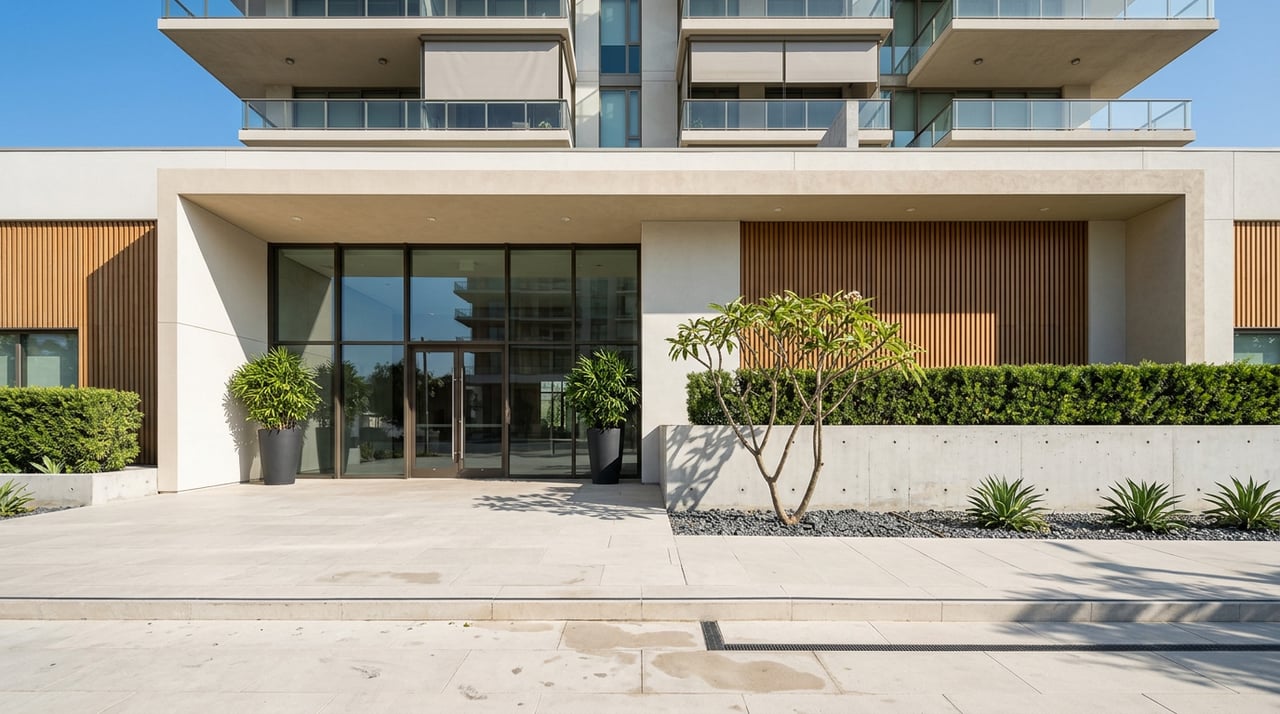
Your Guide to Ward Village New Construction Condos
March 24, 2026
March 24, 2026
Imagine choosing your ocean-facing stack, picking finishes, and watching your future home rise floor by floor in Ward Village. It is exciting, but it also comes with unique steps, documents, and deadlines that differ from a traditional resale. If you understand how reservations, deposits, and Hawaii’s buyer protections work, you can move with confidence. This guide walks you through the Ward Village new‑construction path in 96814, from first showroom visit to keys in hand. Let’s dive in.
Ward Village is a 60‑acre master‑planned community in Kakaʻako with curated retail, dining, parks, and a series of architect‑designed condo towers delivered over time. You can review the current master plan, tower lineup, and sales gallery details on the official Ward Village site. Visit the developer’s overview for context on how the neighborhood is taking shape and where new towers fit within the plan. Explore the Ward Village master plan.
Kakaʻako planning and density fall under the Hawaii Community Development Authority. HCDA sets rules for things like height, public benefits, and certain housing programs, and it remains active in Ward Village approvals. If you want a window into how final phases evolve, you can read HCDA’s update on the master plan’s progression. See HCDA’s Ward Village coverage.
Your first stop is the developer’s sales gallery. You will see model vignettes, finish boards, floor‑plan books, and amenity summaries. Expect to discuss tower timelines, indicative pricing, and the steps from a short reservation to a binding contract. Ask when you will receive the developer’s public report, since that document anchors your rights and deadlines. DCCA’s Condominium FAQs explain buyer protections and public reports.
Many towers use a two‑step flow: a short reservation to hold a specific stack or floor, then the formal Purchase and Sale Agreement. A sale does not become binding until the developer delivers the full public report and related governing documents. Under HRS 514B, you receive a statutory cancellation window tied to that delivery, commonly 30 calendar days in presale settings. See the state statute that sets out what must occur before a contract becomes binding. Review HRS 514B‑86 on binding contracts.
Tip: Keep a clear record of when you received the public report and any amendments. Your cancellation clock is tied to those dates.
Hawaii law requires all buyer deposits to be held with a licensed escrow depository under a written escrow agreement. Pre‑closing disbursements are tightly controlled by statute, and developers must meet extra conditions if deposit funds are used for construction costs before closing. These rules form the backbone of consumer protection in pre‑construction purchases. You can read a plain‑English summary of the escrow framework here. See Hawaii’s escrow and deposit rules for condos.
Example — not universal: Some Ward Village presales have used a nominal reservation, followed by two staged payments that together reached about 10 percent within 30 to 60 days of contract. Your tower’s PSA controls the exact amounts, due dates, and refund mechanics. Always confirm who holds escrow, when deposits become non‑refundable, and whether any pre‑closing disbursement conditions apply.
Sales galleries display standard finish packages. Many towers also offer upgrade menus for items like countertops, cabinetry, fixtures, and built‑ins. Selections happen on a fixed schedule through the developer’s design process. Ask for the design‑selection calendar and pricing before you sign so you can plan decisions and budget.
Upgrades are usually priced as change orders and either increase the final purchase price or require interim payments set by the PSA or upgrade agreement. Most master policies insure the building as originally built. Owner upgrades and personal property typically need your own HO‑6 coverage, and you should also confirm the master policy deductible. DCCA’s FAQ outlines master policy versus owner coverage.
High‑rise delivery is measured in years, not weeks. Developers provide estimated completion dates in the public report and PSA, with limited extensions for events like force majeure. You can expect periodic construction updates and scheduled walk‑throughs, such as a final punch‑list review close to delivery. For a sense of how the master plan progresses over time, HCDA’s public updates provide helpful context. Read HCDA’s update on Ward Village’s progress.
Closing follows final inspections, completion sign‑offs, issuance of a certificate of occupancy where required, and confirmation that title is delivered free of blanket construction liens. Escrow will not disburse your funds until those conditions are satisfied. If a developer misses the contractual completion deadline, HRS 514B includes buyer remedies that interact with your PSA. Your best protection is to read the public report and PSA carefully and track the completion date and any permitted extensions. Search for a project’s public report on the DCCA portal.
Each tower forms its own condominium association with its own budget, reserve plan, and governing documents. Hawaii law requires condos to compute replacement reserves and fund at least a minimum amount each year based on a reserve study. Thin reserves can lead to future special assessments, so this is key due diligence. Review Hawaii reserve study and funding requirements.
What to request: the most recent operating budget, reserve study, and any notes on planned capital work. Ask whether the developer will fund initial reserves or collect a one‑time reserve contribution at a set milestone. DCCA’s condo FAQ explains reserve disclosures and buyer documents.
Some Ward Village towers include HCDA Reserved Housing units that come with special occupancy and resale rules, including shared‑equity formulas and restrictions on when and how you can sell or refinance. If you are considering a Reserved Housing offering, review the HCDA program materials and the project’s public report in detail. Learn about HCDA Reserved Housing rules.
With resales, you close in 30 to 60 days on a finished home you can inspect in full. Deposits and contingencies follow standard local practice rather than 514B’s pre‑construction escrow rules. New construction trades speed for selection and potential appreciation. You accept time risk along with the benefit of personalizing finishes and entering earlier in the delivery cycle.
If you split time between Hawaii and Southern California, note a key difference in California. For OC resales, the Davis‑Stirling Act requires an HOA disclosure packet, and the association must deliver requested documents within a set period. This statutory packet and timing are central to buyer review. See California Civil Code 4525 on resale disclosures. In Hawaii presales, your anchor document is the developer’s public report under HRS 514B, which also unlocks your cancellation window.
Use this list to stay organized before you place a deposit.
You deserve a guide who speaks both real estate and construction. With contractor experience, design expertise, and attorney‑backed transaction support, our team helps you:
If you want a smooth path from showroom to closing in Ward Village, we would love to help. Reach out to The McMahon Group to start a focused, low‑stress plan.
Stay up to date on the latest real estate trends.